Engine Knocking Noise: Causes, Diagnosis, and When to Swap the Block
Engine knocking noise decoded: tell rod knock from valve tick,...
Notice your new Pilot lurch when you’re easing up to a stop sign? Or hesitate for a beat before it actually moves when you press the gas? You’re not alone. Not even close. 2025 Honda Pilot transmission problems show up consistently across NHTSA complaint filings, and most of them trace back to the same source: a 10-speed automatic still working out its shift logic. Here’s what’s documented, what Honda has actually recalled, and what Kentucky owners should check before assuming the worst.
Every 2025 Pilot, across every trim, runs a 3.5-liter V6 paired with a 10-speed automatic transmission and a shift-by-wire selector. Instead of a mechanical lever, you choose gears through console-mounted push buttons. A physical steel cable still connects that button assembly to the transmission behind the scenes, handling the mechanical side of engaging Park and providing a manual override if the electronics ever lose power.
This 10-speed replaced the previous 9-speed unit when Honda redesigned the Pilot for the 2023 model year, and it carried forward unchanged into 2025. More gears generally means smoother highway cruising and better fuel economy. It also means more shift events. More opportunities for the transmission control module to second-guess itself. More chances for a driver to notice something feels off.
This is, by far, the most common complaint. Owners consistently describe a rough, jerky feeling shifting through first, second, and third gear, especially pulling away from a stop or creeping in traffic. It’s not subtle. Drivers notice it immediately. One Texas owner reported it “desperately needs a software update to TCM, as mentioned hundreds of times elsewhere online,” while a Wisconsin driver described the sensation as feeling “like the transmission is going to fall out.”
The pattern shows up at low throttle. Punch the accelerator hard, and shifts tend to feel clean. Ease into it, or brake down toward a stop, and the transmission stumbles finding the right gear. A Pennsylvania owner even reported the steering wheel shaking under braking above 60 mph, a symptom that points toward driveline vibration rather than a simple software quirk.
Honda’s official explanation, echoed across owner forums and dealer visits, is that the transmission control module adapts to an individual driver’s habits over the first several thousand miles. In practice, plenty of owners report the jerkiness persisting well past that window. The learning curve theory only goes so far. Dealers, meanwhile, often can’t reproduce the exact concern during a short test drive around the lot.
Not exactly, and the distinction matters. Honda hasn’t issued a recall specifically targeting the 10-speed’s internal hardware. What does exist is closely related and worth understanding:
None of these three carries a blanket “replace the transmission” remedy. No campaign covers the gearbox outright. Check your VIN against Honda’s official recall lookup, since eligibility depends on your specific build.
Enough that it’s the third-most-cited category behind electrical issues and forward-collision system complaints, but not so many that it should be read as a crisis. Lemberg Law’s review of NHTSA data through July 2025 counted 18 power-train complaints and 22 engine-category complaints against the 2025 Pilot, out of roughly 190 total complaints logged for the model year. CarComplaints.com separately tracks 12 power-train filings with an average failure mileage of just 1,925 miles, meaning most owners who report a problem notice it almost immediately after buying the truck rather than after years of wear.
That low failure mileage cuts both ways. It suggests a calibration or software issue rather than a part wearing out, which is generally a cheaper and faster fix. It also means if your Pilot is going to show this behavior, it likely already has. Taken together, the documented 2025 Honda Pilot transmission problems look less like a ticking time bomb and more like a rough launch for a genuinely new gearbox design.
Budget carefully if your Pilot is past its factory coverage. A full 10-speed replacement at a dealership typically runs $5,500 to $8,500 in parts and labor, based on repair estimates cited across owner forums discussing this same transmission platform. A shift cable replacement, by comparison, runs closer to $200 to $400 in shop labor once you add the part itself.
That gap explains why an accurate diagnosis matters so much before anyone starts talking dollar figures. A software flash costs nothing under warranty. Little out of pocket, even without coverage. A full transmission swap is an entirely different conversation. Getting a technician to actually pin down which one you’re facing, rather than guessing, saves real money.
Worth knowing if you’re cross-shopping model years or deciding whether to keep an older Pilot instead of upgrading:
Don’t write it off as normal break-in behavior if it’s still happening after a few thousand miles.
The complete recall text and production details are published through NHTSA’s official recalls database, which is the most reliable way to confirm whether your specific VIN is covered.
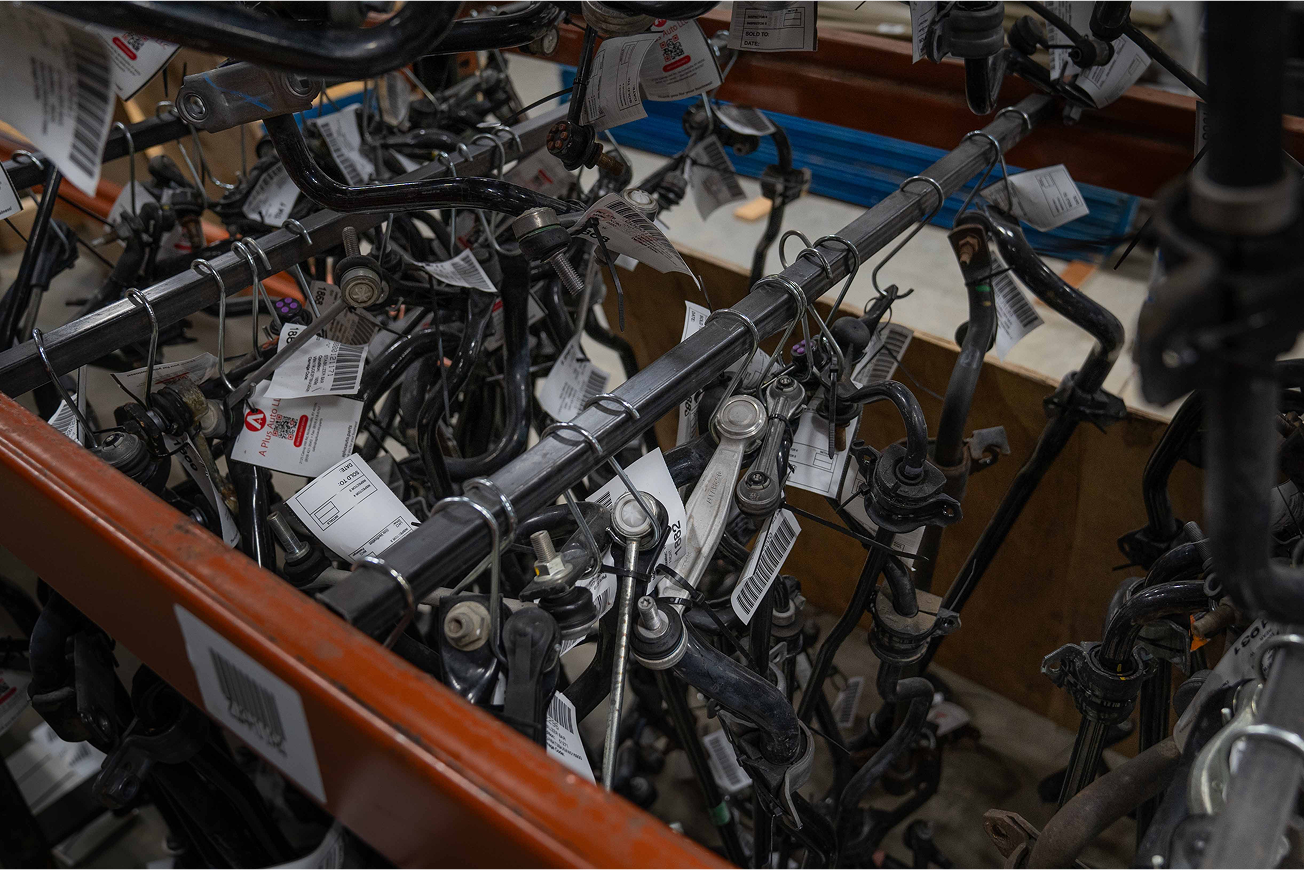
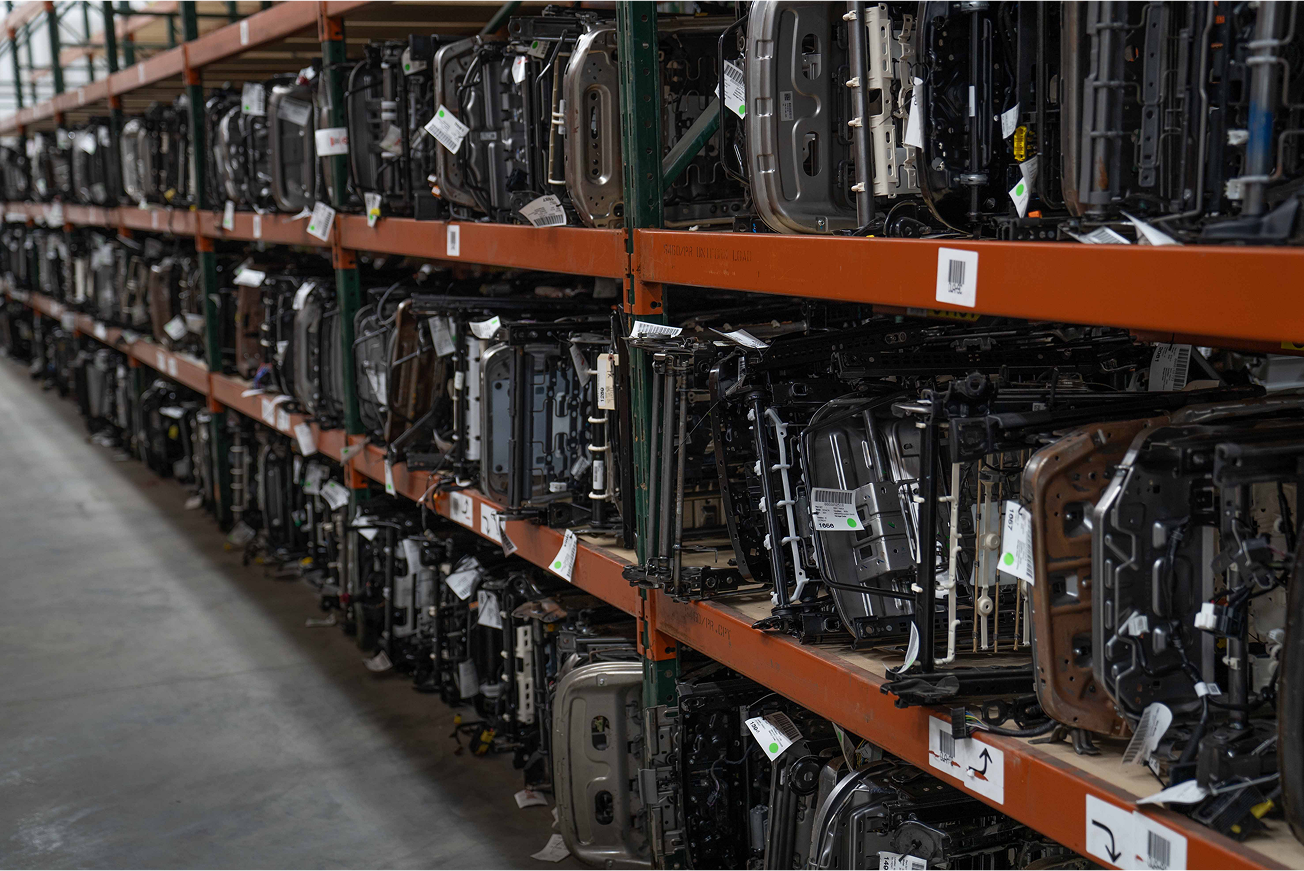
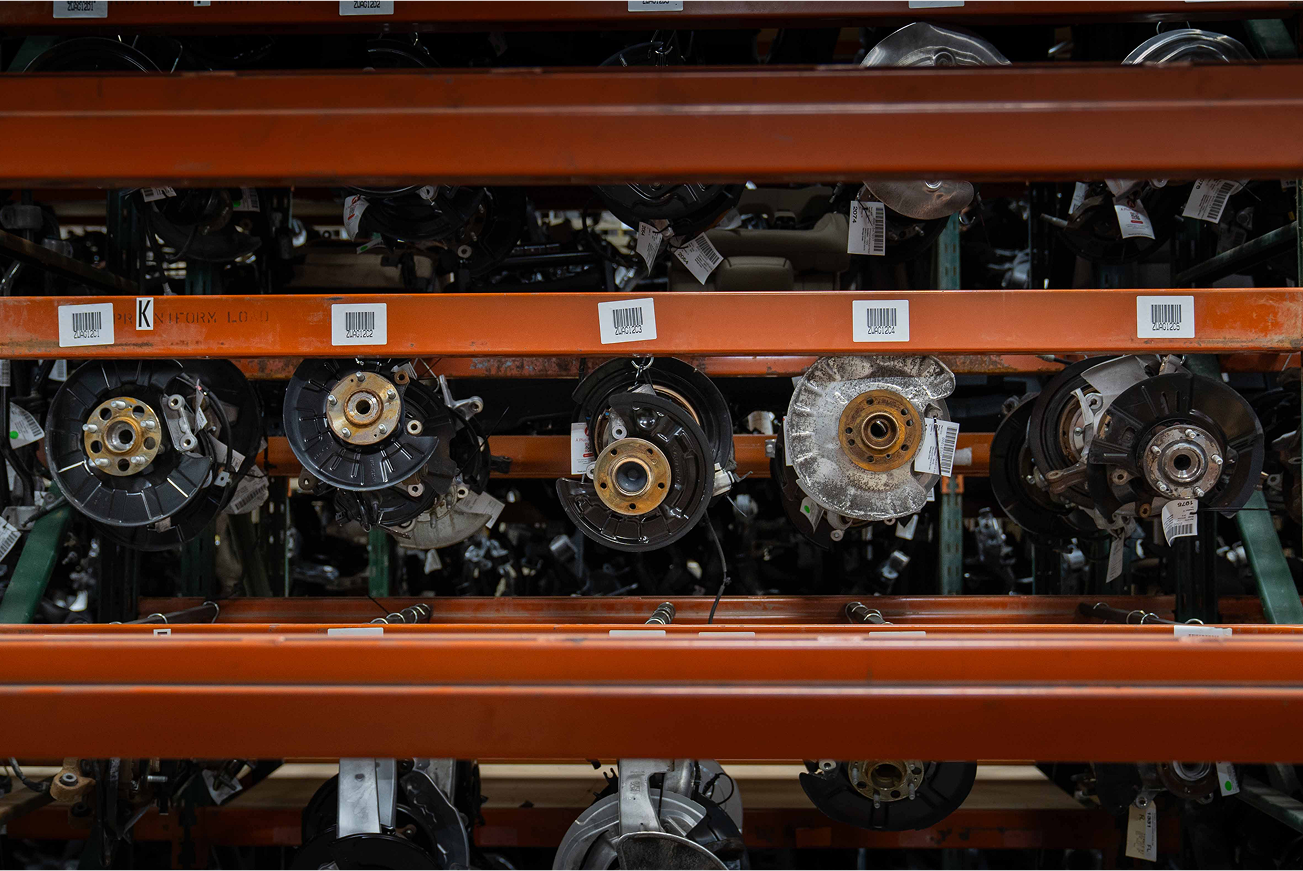
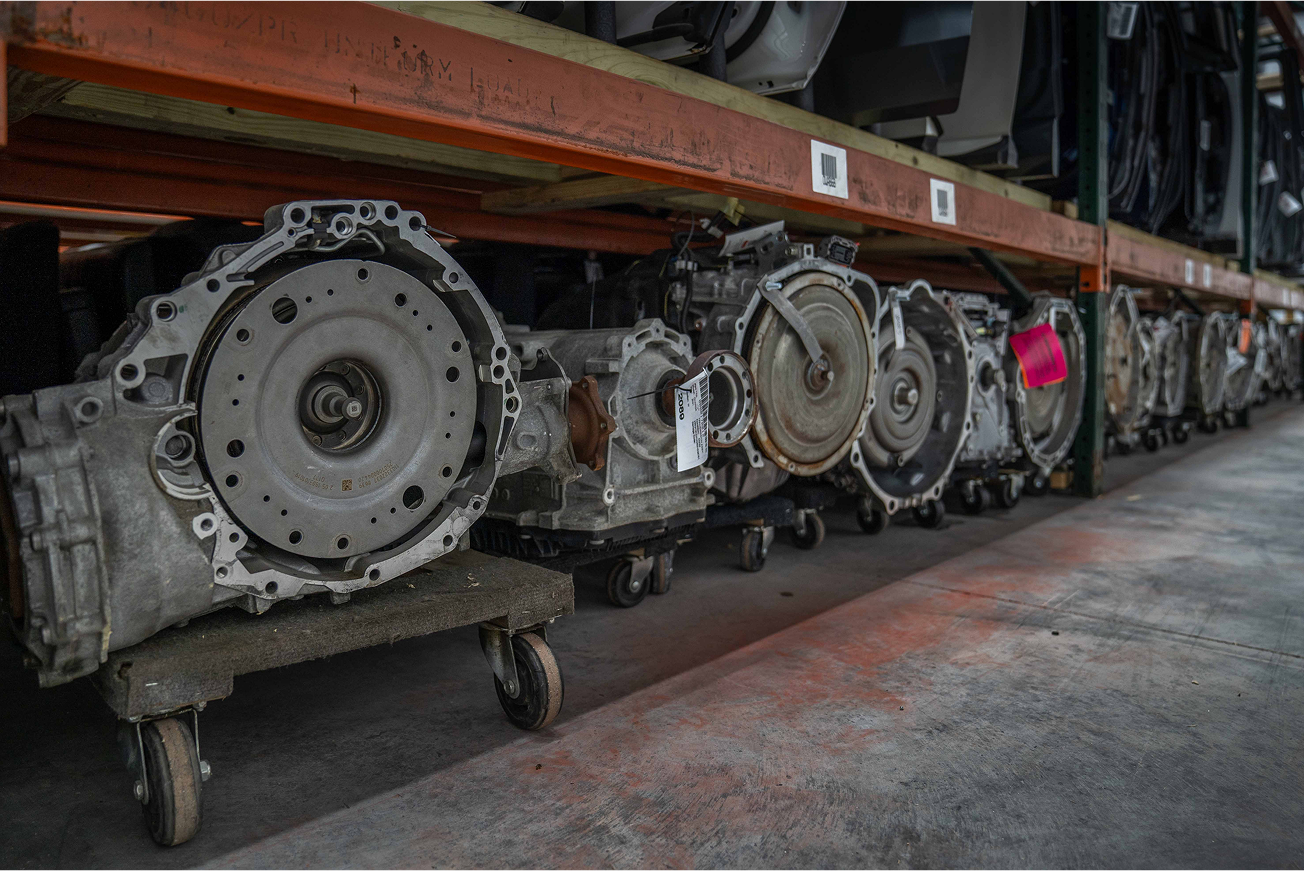
If your Pilot’s issue turns out to be mechanical rather than a software fix, sourcing a shift cable, valve body, or other internal component through a dealer parts counter can take weeks given how new this platform still is. A Plus Auto in Nicholasville, Kentucky pulls, inspects, and photographs drivetrain parts from dismantled vehicles, including recent-model Honda Pilots, and every part ships with a 1-year warranty. Search their used Honda Pilot parts inventory before paying dealer prices for a part that’s still on backorder.
A transmission that hesitates or jerks on a truck this new is frustrating, especially when the dealer’s first answer is that it’s still learning your driving style. Knowing what’s actually documented, what’s covered under an existing campaign, and where to source parts if it isn’t puts you in a far stronger position than just waiting it out. That’s the real value in tracking 2025 Honda Pilot transmission problems closely instead of guessing: you walk into the dealership with the exact TSB number, not a vague complaint.
Does the 2025 Honda Pilot have transmission problems? Owners have filed dozens of NHTSA complaints describing jerky or hesitant shifting in the 10-speed automatic, particularly at low speeds and cold starts. There’s no dedicated transmission recall, but a related software update (TSB 25-014) has helped some owners.
Is the jerky shifting covered under warranty? Yes, in most cases. Since the average failure mileage is under 2,000 miles, the issue typically shows up while the vehicle is still well within Honda’s factory powertrain warranty.
Why won’t my Pilot shift into Park correctly? A small number of owners have reported the shift-by-wire selector and the transmission’s actual gear position not matching. This points to the mechanical shift cable or its calibration, and it should be inspected immediately since it can create a rollaway risk.
Engine knocking noise decoded: tell rod knock from valve tick,...
Weighing a used Ford EcoBoost engine against a rebuild? Here's...
A practical guide to buying a used Toyota Tacoma engine,...
How does a Honda CVT transmission compare to a traditional...