Car Sagging on One Side? How to Diagnose an Air Suspension Leak
If your car sits level all day but sags on...
A new or remanufactured Accord engine can run well into four figures before labor. A used Honda Accord engine pulled from a low-mileage donor often costs a fraction of that, and on a vehicle the rest of which is sound, it is frequently the smarter repair. But “used engine” covers everything from a 30,000-mile gem out of a wrecked 2022 to a tired high-mileage long block with an unknown history. The difference between those two outcomes is not luck. It is knowing what to check before you pay.
This guide walks through exactly that. Which engine you actually need, how to read mileage and history, what to verify before buying, and the red flags that should make you walk away.
We part out Accords regularly, so the advice here comes from handling these engines, not summarizing a spec sheet. Let’s get into the part that saves you money.
The right used Honda Accord engine is the one that matches your car’s generation, engine code, and emissions configuration, not just the model year. Honda changed Accord powertrains significantly across recent generations, and dropping in the wrong code creates fitment, wiring, and emissions problems that cancel out every dollar you saved.
Start with your engine code, not your model year. Two Accords from the same year can carry different engines depending on trim. The code is stamped on the block and listed on a label under the hood, and it is the single most important number in this whole process.
Here is the rough landscape for recent Accords:
That hybrid distinction matters more than people expect. An 11th-gen hybrid Accord is not a candidate for a simple engine drop-in the way a 2015 K24 car is. If your Accord is a hybrid, the conversation shifts from “engine” to “powertrain,” and you want a seller who understands the difference.
Match the code, the displacement, and whether it is turbocharged or naturally aspirated. Get those three right and you have cleared the biggest hurdle in buying a used Honda engine.
For a naturally aspirated Accord four-cylinder like the K24, an engine with under 100,000 miles has substantial life left, and many run reliably past 200,000 with basic maintenance. Mileage matters, but it is not the only number that determines whether an engine is a good buy.
The Accord’s reputation here is earned. Honda’s four-cylinders are among the more durable engines in the segment, which is why a used Honda Accord engine with 60,000 or 80,000 miles is genuinely a low-mileage unit, not a gamble. A donor engine from a car wrecked early in its life can have the overwhelming majority of its service life still ahead.
Turbocharged engines deserve a closer look. The L15 and K20C turbos are strong, but forced induction adds heat and stress, and turbo health depends heavily on whether the previous owner ran quality oil and changed it on schedule. A turbo engine at the same mileage as a naturally aspirated one carries a bit more variability, which is exactly why donor documentation matters.
What we tell buyers to weigh alongside mileage:
Mileage sets the expectation. Documentation and inspection confirm it. A graded engine with known donor mileage beats a cheaper unit with a mystery past every time.
Before paying, verify the engine code matches your vehicle, confirm the donor’s mileage and history, and get a warranty in writing. These three checks prevent the large majority of bad used-engine purchases.
The interchange check comes first. The same physical engine can appear across multiple Accord years and trims, and the correct interchange number tells you whether a unit from a different year actually fits your car’s mounts, wiring, and emissions setup. This is where guessing costs people the most. A part that “looks the same” is not the same as a part that interchanges.
Next, confirm what is included. Engines sell as different configurations, and knowing which one you are getting changes the install entirely:
Then get the warranty terms in writing. A reputable used-parts seller stands behind an engine with a real warranty, and the presence of one tells you the seller tested and graded the unit rather than pulling it blind. A standard one-year warranty, with options to extend coverage and add labor protection, is the signal of a seller who expects the engine to perform.
You can browse our inspected Honda Accord engines and donor vehicles by year, where each Accord in our inventory lists its stock number, model year, VIN, and actual mileage, so you can match an engine to your car with the donor history in front of you.
The biggest red flags are a seller who cannot show you the actual engine, will not provide donor mileage or a VIN, and offers no warranty. Any one of these turns a smart used purchase into a gamble, and together they are a reason to walk away.
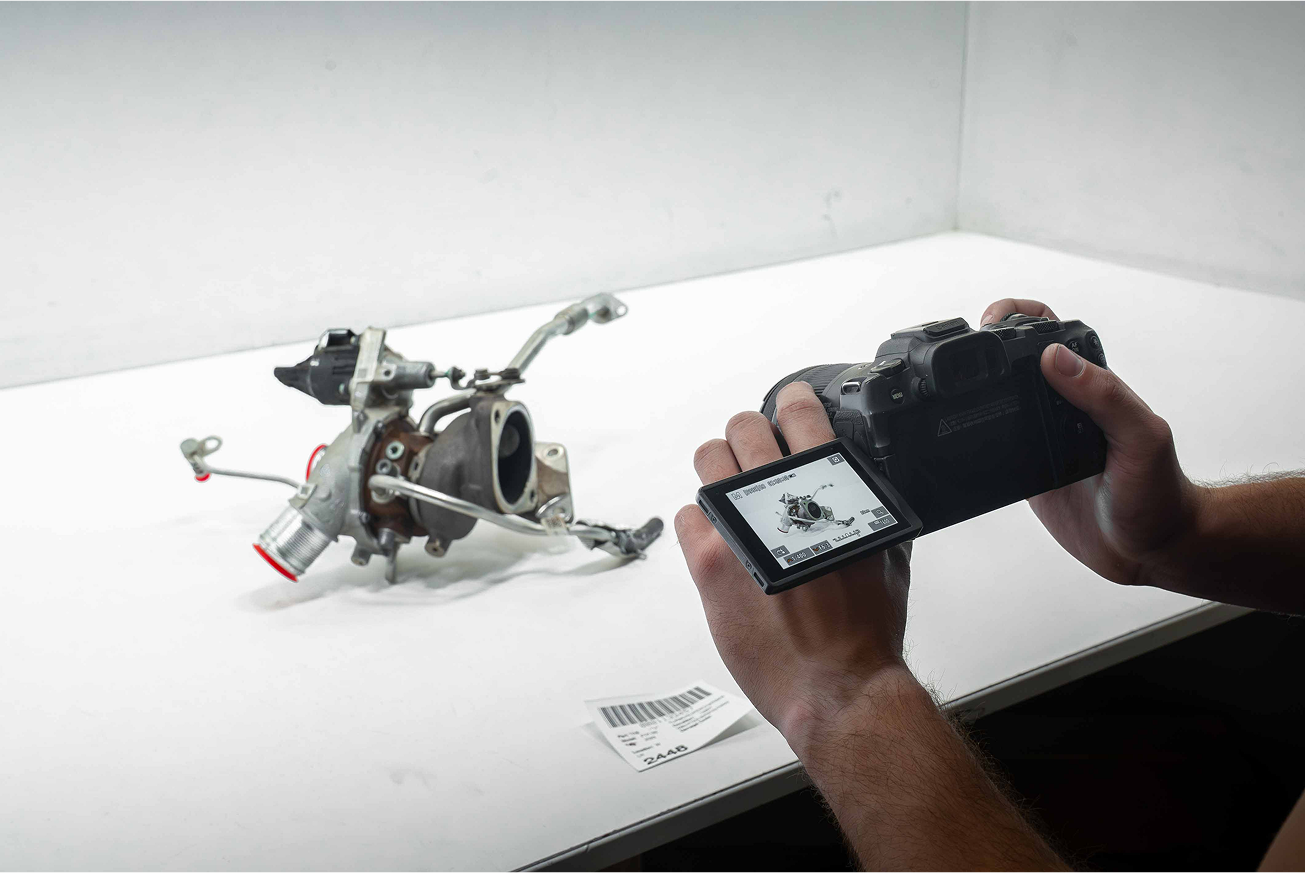
A seller who only shows stock photos is hiding something or does not actually have eyes on the part. You want photographs of the specific engine, from multiple angles, showing its real condition. What you see should be what ships. No guesswork.
No mileage and no VIN is the next warning. A legitimate donor has a VIN and a recorded odometer reading, and a seller who tracks inventory properly can give you both. When that information is missing, you are buying a mystery, and mystery engines are how people end up doing the same swap twice.
A few more things that should give you pause:
The recycling industry has standards for exactly this kind of verification. The Automotive Recyclers Association maintains grading and certification practices that reputable sellers follow, and buying from a seller who grades, tests, and documents is the single best protection against these red flags.
For many Accords, a used engine from a low-mileage donor is the better value than a full rebuild, because you get a complete, factory-assembled unit with proven components rather than paying labor to rebuild your existing block. The right call depends on your car’s overall condition and the engine’s source.
A rebuild makes sense when the rest of your engine is sound and only specific components failed, or when you cannot source a clean donor unit. But rebuilds carry significant labor cost, and the quality depends entirely on the machinist. A used Honda Accord engine from a 40,000-mile donor sidesteps that labor and gives you a complete unit that already proved itself on the road.
The math usually favors the used engine when the donor mileage is low and the vehicle around it is worth keeping. On a clean Accord with a blown engine but good body, transmission, and interior, dropping in a graded low-mileage unit is often the fastest, most economical path back to the road. This is the same logic that makes Honda Accord parts a smart buy across the board: factory components, proven on real vehicles, at a fraction of new pricing.
There is no universal answer. It depends on your specific car, the donor available, and the labor quote in front of you. But for a sound Accord needing an engine, used factory beats rebuilt-unknown more often than not.
A used Honda Accord engine is one of the better-value repairs in the used-parts world, because Accord engines are durable, widely available, and frequently pulled from low-mileage donors with most of their life left. Match the engine code to your car, weigh donor mileage and history alongside the odometer, verify the interchange number, and buy only from a seller who shows you the actual unit and backs it with a warranty.
Get those steps right and the gap between a used engine and a new one shrinks to almost nothing, at a fraction of the cost.
Ready to find the right engine for your Accord? Browse our inspected Honda Accord engines and donor vehicles, each listed with year, VIN, and actual mileage, cleaned, photographed, graded A+, and backed by a real warranty. Search by your vehicle, send a part inquiry, and get an engine matched to your car the first time.
If your car sits level all day but sags on...
Pressing new bushings into an old arm seems cheaper until...
Four sensor codes at once rarely means four bad sensors....
Some replacement modules drop right in. Others won’t work until...