Car Sagging on One Side? How to Diagnose an Air Suspension Leak
If your car sits level all day but sags on...
Shopping a high-mileage Camry and wondering if the engine has anything left in it? Or maybe you’re just curious how much runway your own is sitting on. Toyota Camry engine lifespan sits well above the industry average, backed by real ownership data rather than dealership marketing, but the number varies a lot depending on which engine you’ve got and how it’s been treated. Here’s what the data actually shows, broken down by generation, along with the failure points worth knowing about before you buy or before you keep pushing the odometer.
According to iSeeCars’ analysis of more than 300 million vehicles, the Camry has an average lifespan of 163,455 miles, or about 12.1 years, and a 26.4% chance of reaching 200,000 miles during its usable life. That puts it well ahead of the typical midsize sedan. Toyota as a brand topped iSeeCars’ longest-lasting brands study, with Toyotas showing nearly four times the industry average chance of reaching 250,000 miles.
Those numbers describe the whole vehicle’s practical lifespan, not just the point where the engine physically dies. In reality, a properly maintained Camry engine regularly outlives that average by a wide margin. It’s common to find 2.5-liter four-cylinder Camrys with 250,000-plus miles on the original engine and no major internal work done, and V6 examples with 250,000 to 350,000 miles aren’t unusual either, provided routine maintenance kept pace. The engine, in other words, usually outlasts the rest of the car.
Toyota Camry engine lifespan estimates from industry studies tend to undersell what a well-cared-for example can actually achieve. Averages include neglected cars pulled from the road early. Yours doesn’t have to be one of them.
Enormously. Camry engines have gone through four major generations since 2002, and reliability history isn’t identical across all of them.
The hybrid’s gas engine, based on the same Dynamic Force 2.5L architecture, isn’t the limiting factor for most owners. It’s the traction battery that draws the most questions. Toyota backs the hybrid battery for 10 years or 150,000 miles on 2020-and-newer models (8 years or 100,000 miles on older ones), guaranteeing at least 70% of original capacity through that period. Real-world battery life frequently extends well past the warranty window, with many owners reporting 8 to 15 years of service before any noticeable degradation affects daily driving.
Treat the warranty figure as a floor, not an expiration date. A hybrid Camry’s gas engine sees less wear per mile than a standard model’s, since the electric motor handles a share of the load, particularly in stop-and-go traffic. Less strain. Longer life.
If a Camry engine does need full replacement, whether from neglected maintenance, a coolant leak that went too far, or simple high-mileage wear, budget realistically. A used engine sourced from a salvage yard typically runs $1,200 to $2,500 for the part depending on generation and mileage, plus $1,000 to $2,000 in labor for a shop to pull the old unit and install the replacement. A brand-new crate engine from Toyota costs substantially more, often north of $5,000 before labor.
That gap is exactly why so many high-mileage Camry owners choose a used engine over new when the original finally gives out. The car’s resale value rarely justifies a five-figure repair bill, but a used engine swap can extend an otherwise sound car for another 100,000 miles at a fraction of the cost.
A few patterns show up consistently in high-mileage failures, and none of them are exotic.
None of this is complicated, which is part of why Toyota’s reliability numbers hold up so consistently across owners.
Often, yes, more than with most competing sedans. RepairPal rates the Camry 4.0 out of 5.0 for reliability, ranking it 3rd out of 24 midsize cars, with an average annual repair cost of $388 against a $526 midsize-class average. That’s a meaningfully lower ownership cost over time, and it’s exactly why so many Camrys stay on the road well past 200,000 miles rather than getting scrapped.
Before buying a high-mileage example, request maintenance records, get a pre-purchase inspection focused on the timing components and water pump condition, and factor engine generation into your decision. A 2AR-FE-equipped 2012-2017 Camry with clean records is a fundamentally safer bet than a 2AZ-FE 2007-2009 model with unknown oil habits, even at similar mileage.
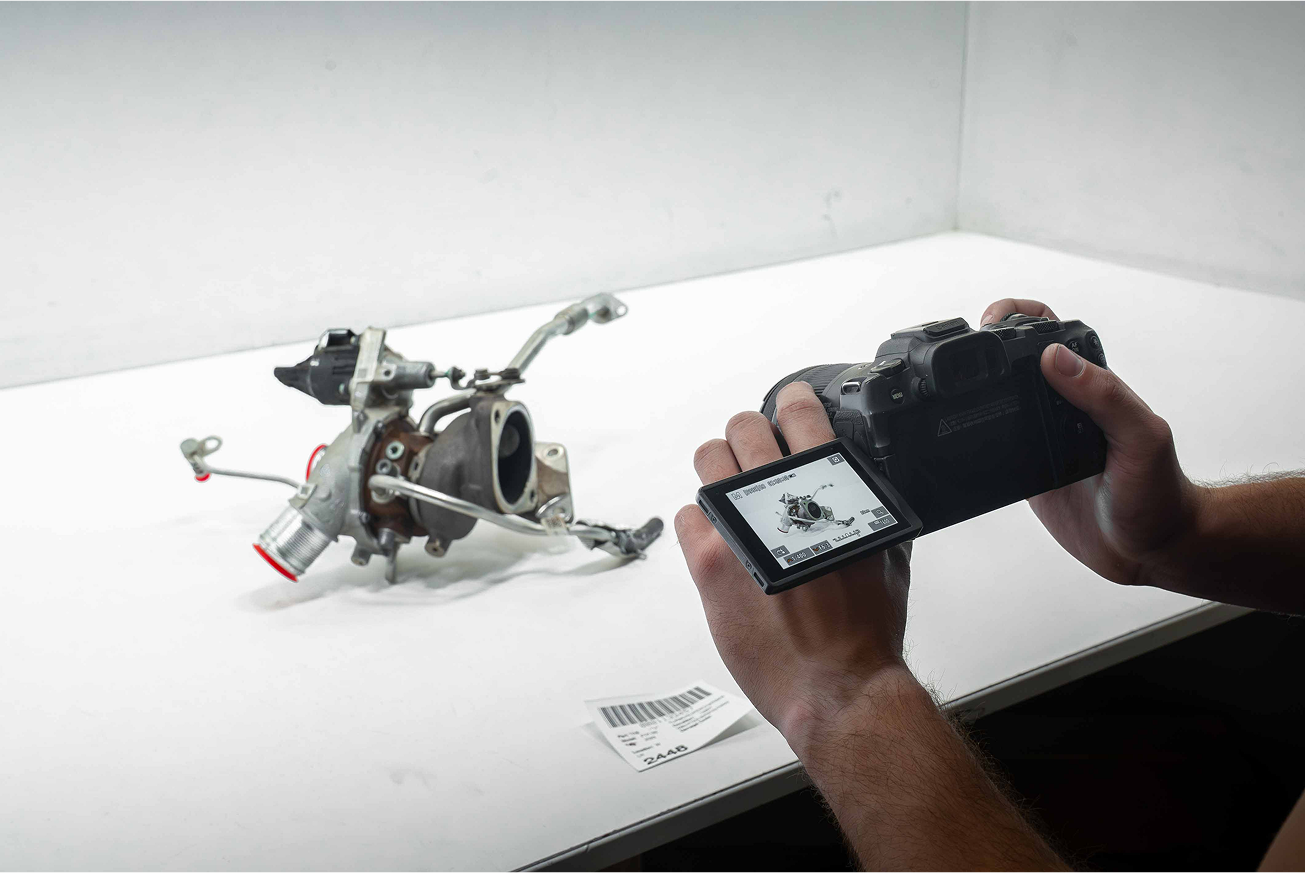
If your Camry’s engine or a related component needs replacing, whether it’s a worn water pump, a full engine after an unrelated accident, or a part to keep a high-mileage car running another 50,000 miles, sourcing a used component often makes more financial sense than paying full dealer price for new. A Plus Auto in Nicholasville, Kentucky pulls, inspects, and photographs engine and drivetrain parts from dismantled vehicles, including Camrys across multiple generations, and every part ships with a 1-year warranty. Search their used Toyota Camry parts inventory before committing to a new-parts quote.
A Camry engine’s reputation for going the distance isn’t hype. It’s backed by real fleet data, decades of ownership history, and a maintenance-forward design that rewards owners who stay on top of the basics. Know which engine generation you’re dealing with. Stay ahead of the known weak points. Do that, and there’s no reason your Camry can’t be one of the ones still running at 250,000 miles. That’s the real story behind Toyota Camry engine lifespan data: it rewards attention, not luck.
How many miles can a Toyota Camry engine last? With proper maintenance, Camry engines regularly exceed 200,000 miles, and 250,000 to 300,000-plus is common on both four-cylinder and V6 versions. iSeeCars data puts the average vehicle lifespan at 163,455 miles, with a 26.4% chance of reaching 200,000.
Which Camry engine is the least reliable? The 2AZ-FE 2.4L used from 2002-2011 is generally solid, but 2007-2009 model years carry a documented oil consumption defect that led to a class-action lawsuit and a Toyota service bulletin. Later engines avoided this issue.
Do Camry V6 engines last as long as the four-cylinders? Yes. The 2GR-FE 3.5L V6 is considered one of Toyota’s most reliable V6 engines, with 250,000 to 350,000-mile examples common. Its main weak point is the water pump, which typically needs replacement between 100,000 and 120,000 miles.
If your car sits level all day but sags on...
Pressing new bushings into an old arm seems cheaper until...
Four sensor codes at once rarely means four bad sensors....
Some replacement modules drop right in. Others won’t work until...