5 Car Parts You Should Always Buy Used
Used auto parts aren't a compromise. For five specific components,...
A cracked dash pad on a ten-year-old car is a small problem with a frustrating catch. The part is discontinued. The dealer parts counter runs the number, shakes its head, and tells you it’s no longer manufactured. Aftermarket makes a version, but it’s the wrong shade of gray and the grain doesn’t match the door panels. So the cracked dash stays cracked, because the one thing that would actually fix it, a genuine factory panel in your car’s exact color and texture, seems impossible to find.
It isn’t impossible. It’s just that the source changed. Once a manufacturer stops producing a part, the supply doesn’t vanish into thin air, it migrates to the recycling side of the industry, where the only remaining stock of that exact component survives inside other examples of the same car. Interior trim is one of the parts where used original equipment isn’t merely the cheaper choice but genuinely the correct one, a point worth understanding before you spend money anywhere else, and one we cover more broadly in our guide to the car parts you should always buy used. This guide narrows in on the hardest version of that problem: matching OEM interior parts for discontinued models, the codes you need to guarantee a match, and how to buy without ending up with a piece that’s close but wrong.
Manufacturers only produce replacement parts for a limited window after a model concludes production, and interior trim ranks among the first components to be discontinued because it’s low-volume, expensive to warehouse, and rarely ordered relative to mechanical parts. Once that production window closes, the factory supply is simply exhausted, and no amount of dealer searching resurrects it. Manufacturers are generally obligated to support a model for a period after the final unit rolls off the line, but that obligation expires, and interior cosmetic pieces are typically the earliest casualties once it does.
Interior parts are also uniquely difficult to substitute. An engine mount either fits or it doesn’t, a purely mechanical binary. An interior piece has to match across three separate dimensions simultaneously: the exact color, the surface grain or texture, and the underlying material itself, whether that’s cloth, leather, vinyl, or a specific molded plastic finish. A dash panel that’s the correct shape but a half-shade off in color, or smooth where the original carried a pebbled texture, looks conspicuously worse than the damaged part it was meant to replace. That triple-match requirement is precisely what makes interior sourcing its own specialized discipline, distinct from sourcing the rest of the vehicle. Color and grain drift further apart as a car ages, because sunlight fades trim unevenly depending on where each panel sits relative to the glass, which means even two identical factory parts can diverge over a decade of exposure.
Not every source is equal for this particular hunt. Here’s how the realistic options actually stack up when the part is discontinued.
The dealer. Start here to confirm the part is genuinely discontinued, but expect that answer. If a dealer does have new old stock sitting on a shelf, it will carry a premium price, and for a truly old model the odds are slim. Useful for confirmation, rarely useful for the actual part.
Aftermarket manufacturers. They cover common wear items like carpet and seat covers for popular models, and for those specific cases the fit can be acceptable. For dash panels, trim pieces, interior modules, and anything with a precise color and grain requirement, aftermarket either doesn’t exist or doesn’t match well enough to be worth it.
General online marketplaces. Big auction and classified sites list used interior parts, but sourcing this way puts the entire burden of verification on you. Listings rarely include the color code, photos are often too poor to judge grain and condition, and returns on a mismatched interior part are a headache. It can work, but it’s slow and risky.
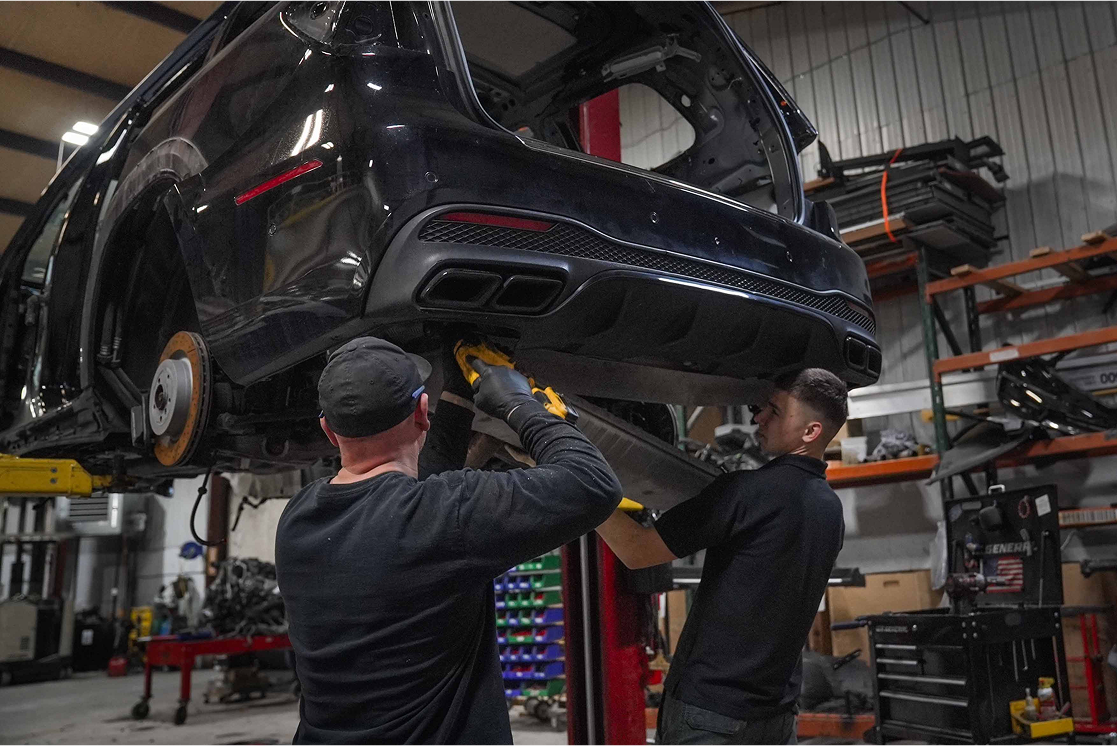
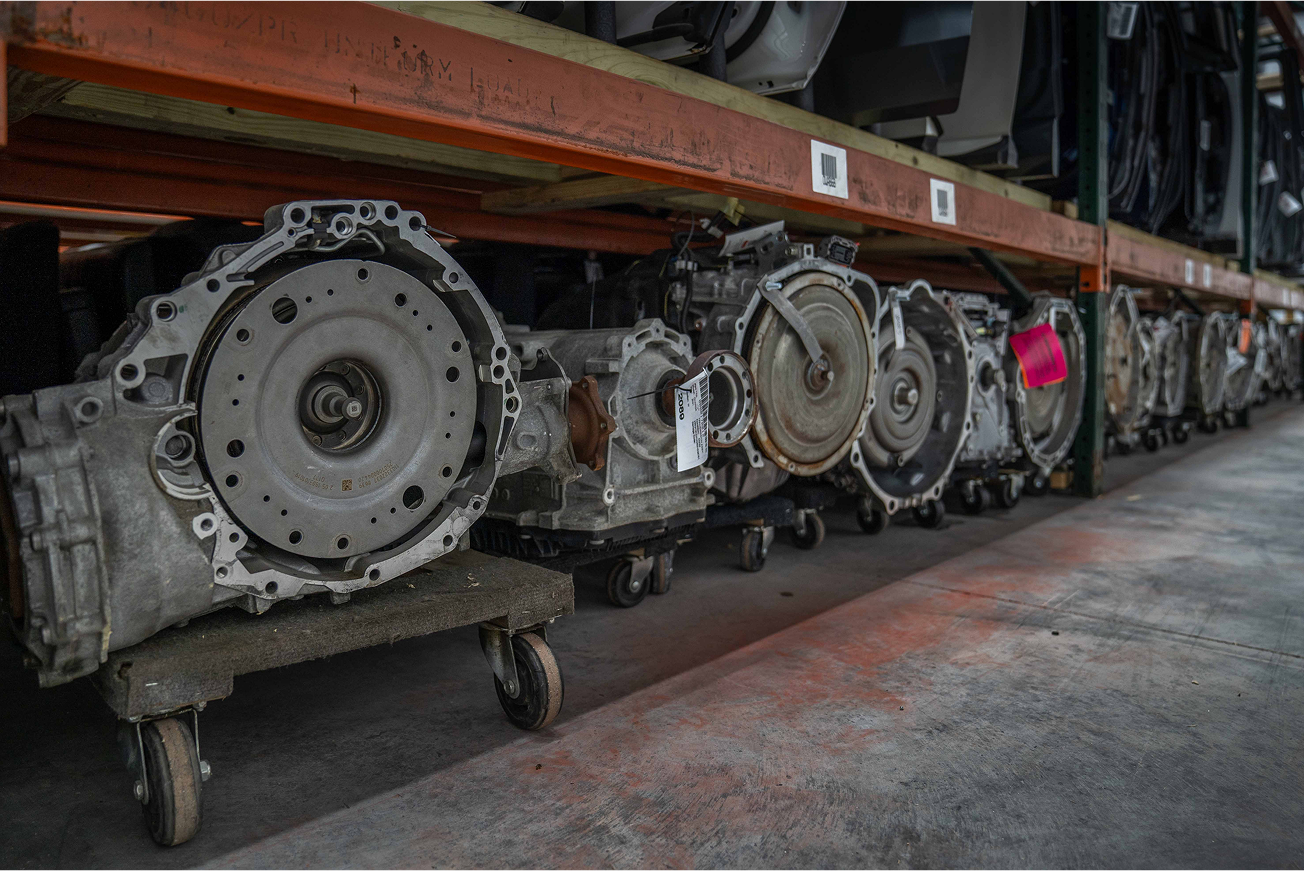
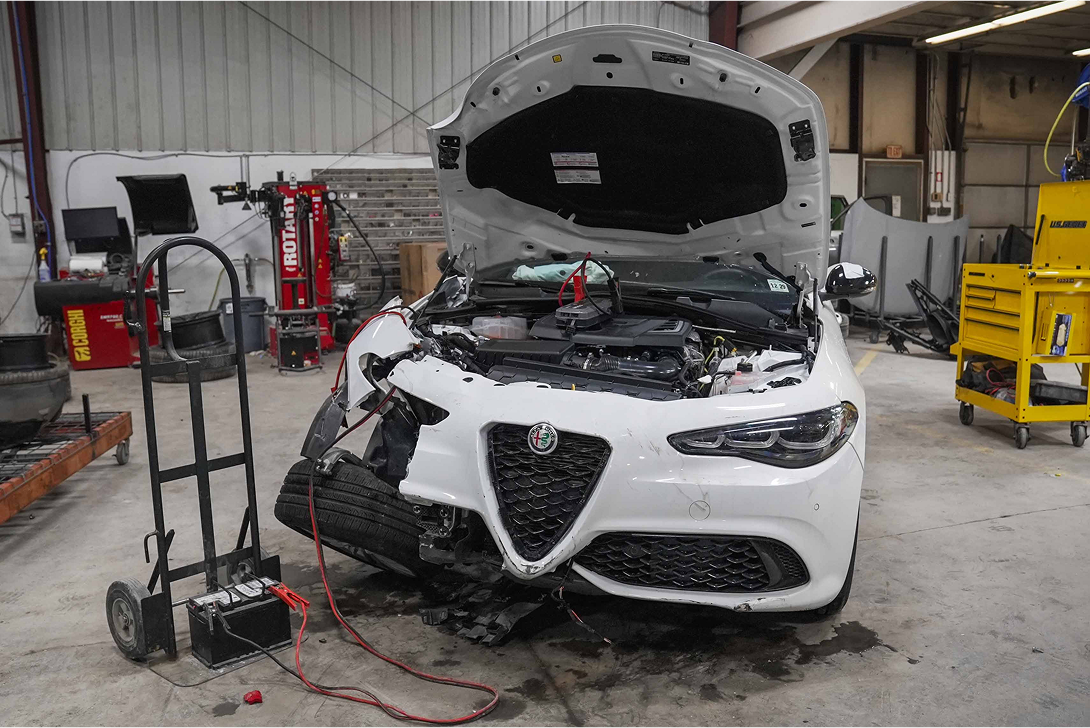
Automotive salvage yards. This is the answer for discontinued interiors. A salvage yard’s entire inventory originates from real vehicles, which means the only place a discontinued dash panel still exists in your exact color is inside another example of the same car, and a yard that dismantles and catalogs those cars is where that panel ends up. A modern recycler that photographs parts off the vehicle and records each donor car’s build details converts the marketplace’s single biggest weakness, verification, into a solved problem. The recycling side of the automotive industry is substantial and well established, processing millions of end-of-life vehicles annually and recovering their reusable components, which the EPA recognizes as one of the most effective forms of material reuse. For an owner of a discontinued model, that infrastructure is the difference between a permanent compromise and an exact match.
Finding a part is only half the job. Confirming it matches is the other half, and it comes down to two codes plus your trim level.
Interior color code. This is the single most important number in the entire process. Your vehicle carries a build sticker, typically located in the driver’s door jamb, the glovebox, or the trunk, that lists both the exterior paint code and a separate interior trim or color code. That interior code is what a salvage yard uses to confirm a donor vehicle’s interior corresponds to yours exactly, rather than approximating from a photograph. The code accounts for the fact that a single model was frequently offered in several interior colorways, and two cars that look similar in a listing thumbnail can carry entirely different trim codes underneath. Locate that code before you shop, and write it down.
Trim level. The same model in a different trim frequently carries entirely different interior materials, seat styling, and equipment. A base-trim cloth seat won’t match a leather-appointed cabin, and a panel sourced from a higher trim may incorporate cutouts or switch banks your car doesn’t have. Establishing your exact trim narrows the search to parts that will genuinely fit and match, rather than parts that merely share a model name.
VIN. Your vehicle identification number ties everything together and lets a yard verify interchange down to the specific configuration. For interior electronic modules especially, the VIN is decisive, because certain modules require coding to your specific vehicle before they’ll function correctly. A radio, a body control module, or a climate panel pulled from an otherwise identical donor may still need a scan-tool procedure to marry it to your car.
With those three pieces of information in hand, matching an interior part stops being guesswork and becomes a lookup.
Once you’ve found a color-matched candidate, a few checks separate a clean purchase from a disappointment.
Discontinued doesn’t mean unavailable. It means the part now lives in the recycling side of the industry, in donor vehicles that a salvage yard has dismantled, cataloged, and photographed, waiting for the owner of a matching car to come looking.
Our used interior and parts inventory is searchable by year, make, and model, every piece is inspected and photographed off the vehicle before it’s listed, and everything ships with a 1-year warranty within one business day. If your model is discontinued and you’re not sure we have a match, call us at +1 859-421-3043 with your VIN and interior color code, and we’ll check our donor vehicles against your exact configuration before anything ships.
A Plus Auto is at 2125 Catnip Hill Rd in Nicholasville, KY 40356, serving Lexington, Jessamine County, and shipping nationwide.
Find the code. Match the interior. Skip the aftermarket compromise.
Used auto parts aren't a compromise. For five specific components,...
When a dealer says the interior part is discontinued, the...
A cheaper aftermarket panel often costs more once you pay...
Engine knocking noise decoded: tell rod knock from valve tick,...