5 Car Parts You Should Always Buy Used
Used auto parts aren't a compromise. For five specific components,...
Your Ford’s check engine light comes on at 78,000 miles, and the idle has a rough, uneven cadence it didn’t have last winter. That’s usually the first sign something’s off inside an EcoBoost engine, and it’s rarely nothing. Ford EcoBoost engine problems tend to follow predictable patterns, and once you know what those patterns look like, a diagnosis stops being a guessing game.
We’ve pulled hundreds of EcoBoost engines and components off vehicles that came through our Nicholasville yard, from first-generation 3.5L trucks to newer 2.0L Escapes and Edges. The wear patterns repeat. Carbon-caked intake valves. Stretched timing chains rattling on cold start. Coolant where it has no business being. This article walks through what actually fails, why it fails, and what a Kentucky driver should watch for given our winters, hills, and interstate-heavy commutes.
The most frequently reported Ford EcoBoost engine problems are intake valve carbon buildup, timing chain stretch, coolant intrusion into the cylinders, and turbocharger failure. Each stems from a specific design choice Ford made to squeeze V8-like power out of smaller, turbocharged, direct-injected engines.
Direct injection is the common thread. It sprays fuel straight into the combustion chamber instead of across the intake valves, which improves efficiency and power output. But it also means there’s no fuel washing carbon deposits off the back of those valves the way it did on older port-injected engines. Over 60,000 to 100,000 miles, that buildup narrows airflow and disrupts the way fuel mixes with air, and performance drops off gradually enough that a lot of owners don’t notice until it’s severe.
Carbon buildup happens because direct-injected EcoBoost engines lack the self-cleaning fuel spray that port-injected engines rely on to keep intake valves clear. Combined with oil vapor from the PCV system settling on hot valve surfaces, deposits harden into a coating that can eventually choke off airflow entirely.
First-generation 3.5L EcoBoost engines built between 2010 and 2014 show this most severely, according to reporting from industry outlets tracking EcoBoost reliability data. Ford’s second-generation EcoBoost, rolled out starting around 2017, added port injection alongside direct injection specifically to combat this. It helped. It didn’t eliminate the problem entirely, especially on vehicles that see a steady diet of short trips and stop-and-go traffic, which describes a lot of driving around Lexington and the surrounding Bluegrass region.
Watch for these warning signs of carbon buildup:
If you’re catching two or more of these at once, it’s worth having the intake valves inspected with a borescope before the problem forces a tow.
Timing chain stretch is a documented issue across all generations of the 3.5L EcoBoost, though it’s less common in engines built after Ford revised the tensioner design. A stretched chain throws off valve timing, and in the worst cases it can jump a tooth and cause catastrophic valve-to-piston contact.
The telltale sign is a rattling noise on cold start that fades once oil pressure builds and the tensioner takes up slack. That rattle isn’t cosmetic. It’s the sound of metal-on-metal slop that gets worse with every cold start, and cold starts in a Kentucky winter, where overnight lows regularly dip into the 20s, put more stress on that tensioner than mild-climate driving ever would. Oil that’s overdue for a change thickens further in cold weather, slowing the tensioner’s response and accelerating wear on the chain guides.
A chain that’s audibly rattling for more than a few seconds after startup has usually already stretched past factory spec. At that point, waiting doesn’t make the repair cheaper. It makes it more likely you’ll need a full engine rather than a chain and guide set.
Coolant intrusion is a known failure mode on 1.6L and, to a lesser extent, 2.0L EcoBoost engines, where coolant works its way past a cracked cylinder head or degraded head gasket and into the combustion chamber. Ford issued recalls addressing this on certain 1.6L applications after reports of white exhaust smoke, chronic coolant loss, and in some documented cases, underhood fires tied to leaking coolant contacting a hot exhaust manifold.
You can verify open recalls and safety campaigns for a specific VIN through the National Highway Traffic Safety Administration’s recall lookup tool, which is worth doing before you buy a used EcoBoost-equipped Ford, not after.
Symptoms build slowly, then all at once. A driver might top off coolant every few weeks for months, assuming it’s a minor leak, right up until the engine overheats on I-75 outside Georgetown with zero warning. Sweet-smelling exhaust and a coolant reservoir that empties faster than it should are the two signs that matter most here. Neither should be ignored.
Turbo failure in an EcoBoost engine usually announces itself with a whining or whistling noise under boost, visible blue-gray smoke from the exhaust, and a noticeable loss of the power surge the engine is supposed to deliver once the turbo spools up. Left unaddressed, a failing turbo can send metal shavings downstream into the intercooler and intake tract, which turns a turbocharger replacement into a much bigger repair bill.
Turbo bearings run on oil pressure and cooling that depends on regular oil changes at the interval Ford specifies, not the interval a dealer sticker suggests. Extending oil changes past 7,500 miles on a turbocharged engine, particularly one that tows or sees a lot of highway miles, shortens turbo bearing life measurably. That’s not a guess. It’s basic thermodynamics: turbos spin at speeds north of 100,000 RPM and rely on clean, properly viscous oil to survive that kind of stress.
We’re based in Nicholasville, right in the heart of central Kentucky, and the EcoBoost engines that come through our yard tell a regional story. Between the temperature swings, the hills around Jessamine and Fayette counties, and the amount of interstate towing that happens on I-64 and I-75, Kentucky driving conditions stress a few specific EcoBoost components harder than milder climates do.
Cold starts are the big one. A 20-degree morning in Nicholasville puts more load on a marginal timing chain tensioner than a 50-degree morning in Atlanta ever will. We also see more coolant intrusion cases on vehicles that spent winters idling in driveways to warm up, a habit that’s common here and one that actually increases fuel dilution and cold-start wear rather than protecting the engine the way people assume it does.
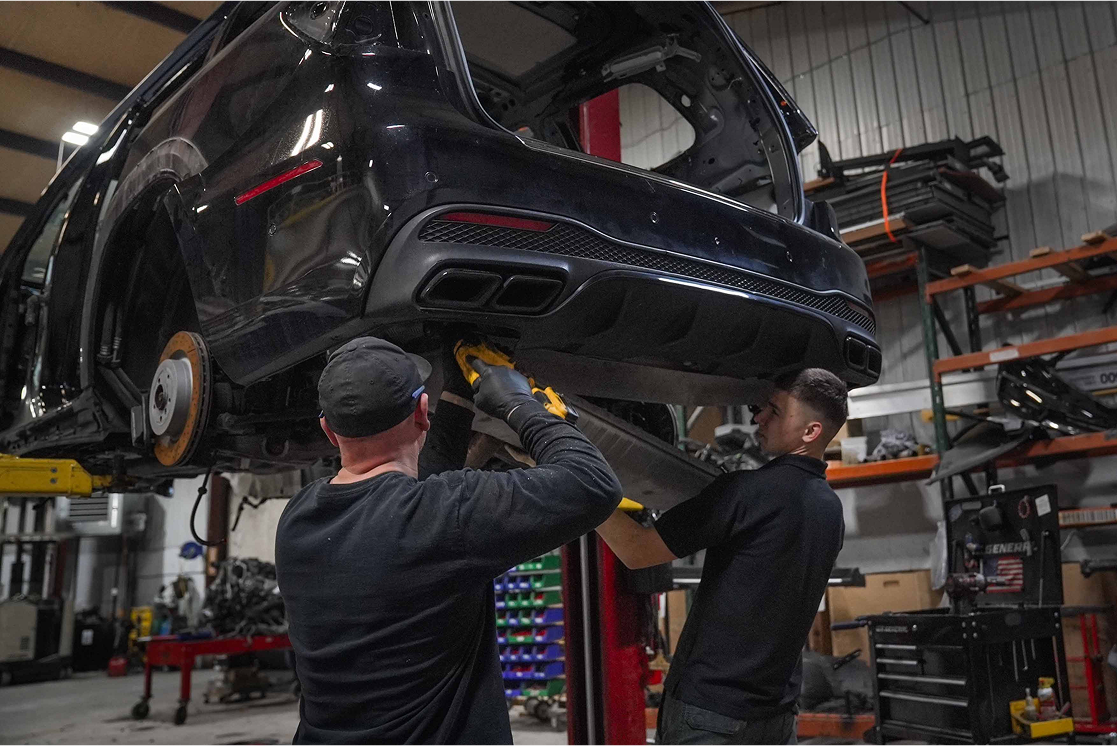
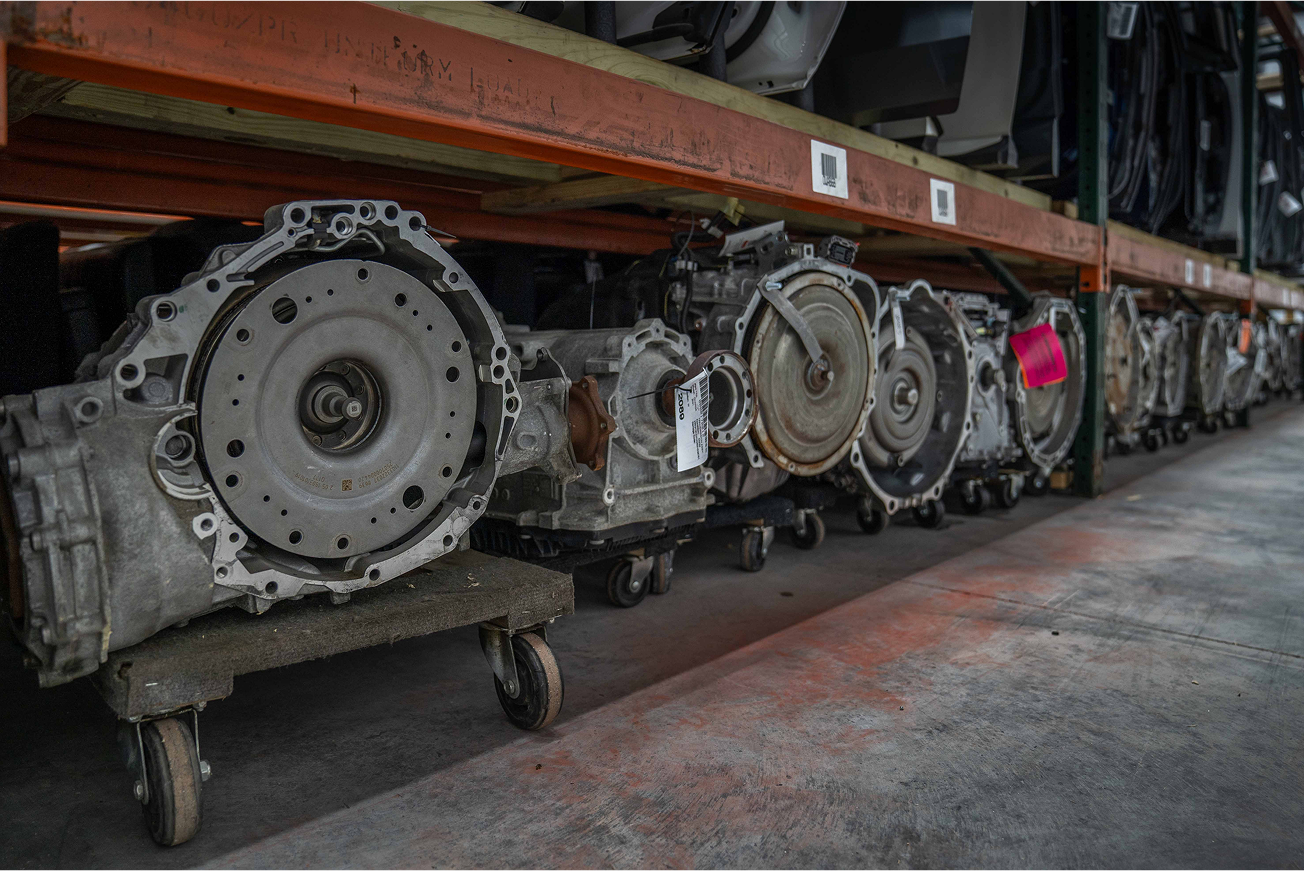
Because we dismantle, inspect, and photograph every part that comes through our doors, we get a closer look at EcoBoost failure patterns than most repair shops see in a given month. That firsthand view is exactly why we can point buyers toward the specific used component they need instead of guessing.
Whether to repair or replace a failing EcoBoost engine depends on the failure type, the vehicle’s mileage, and whether the damage is contained to a single component or has spread. A carbon buildup issue caught early is a cleaning job, not an engine job. A jumped timing chain that’s already caused valve contact is a different conversation entirely.
For contained failures, sourcing a quality used part often makes more financial sense than paying dealer prices for new. Consider these factors before deciding:
That last point matters more than people expect. A rebuilt engine in a vehicle with a failing transmission is a bad trade.
Ford’s own EcoBoost engineering has genuinely improved since the first-generation 3.5L. Later engines run cooler, use better tensioner designs, and benefit from dual-injection systems that cut down on carbon accumulation. Still, understanding what to watch for protects you either way, whether you’re driving a 2012 F-150 or a 2023 Bronco Sport.
If you’re facing a repair and need a tested, inspected part rather than a new engine at dealer pricing, browse our used Ford EcoBoost engine parts inventory by year, model, and part type. Every component we sell is cleaned, photographed in its actual dismantled condition, and backed by a full one-year warranty, so you know exactly what you’re installing before it ships.
Diagnosing an EcoBoost problem correctly the first time saves money. Guessing rarely does.
Used auto parts aren't a compromise. For five specific components,...
When a dealer says the interior part is discontinued, the...
A cheaper aftermarket panel often costs more once you pay...
Engine knocking noise decoded: tell rod knock from valve tick,...